





Ruby-Cube is a quiet, emotionally layered drama about family, fractured relationships, and the fragile possibility of healing.
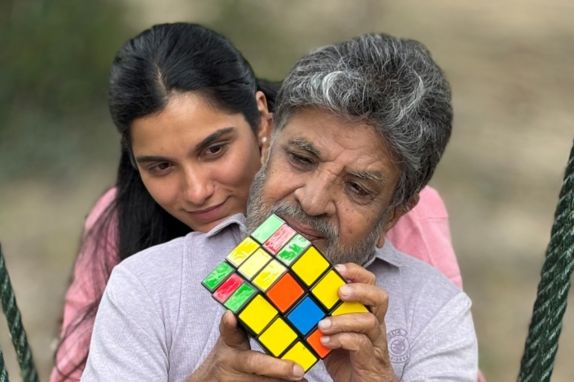
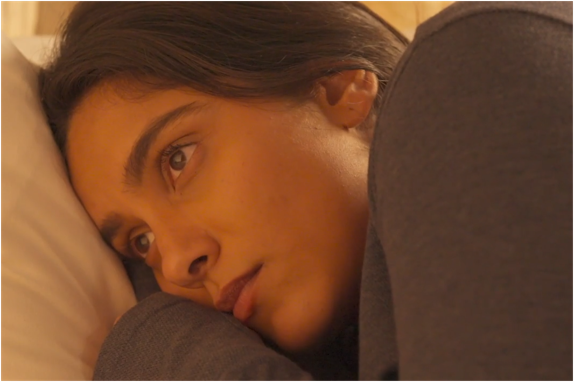
Rohini, a psychologist, is divorced from Moorthy, her former husband. Their daughter Chitra, married to Varun, brings them together for a short vacation to a hill station, hoping the shared journey might mend what time and resentment have broken. What begins as an ordinary family outing slowly reveals deeper emotional fault lines.
As the days unfold, it becomes clear that Chitra’s own marriage is on the verge of collapse, strained by incompatibility and unspoken disappointment. At the same time, the family confronts another unsettling truth: Moorthy is suffering from early-stage dementia, a condition that threatens not only his memory but also the unresolved emotional bonds he shares with Rohini and their daughter.
Through conversations, silences, and small gestures, the film observes how each character responds to loss, regret, and responsibility. The possibility of reconciliation—between former partners, between spouses, and within oneself—emerges not as a solution, but as a fragile process.
The Rubik’s Cube becomes a central metaphor in the film. Like life and relationships, the cube appears chaotic and unsolvable at first glance. Only through patience, compassion, effort, and persistence can its disorder be gently aligned. In the same way, the characters learn that healing is not about restoring the past, but about finding meaning within what remains.
Ruby Cube is an intimate exploration of love, memory, and acceptance—where every turn matters, and not every side can be perfectly aligned.
DIRECTOR’S STATEMENT
Ruby-Cube was born out of my long-standing fascination with the quiet fractures within families — the kind that do not announce themselves loudly, but shape lives silently over time.
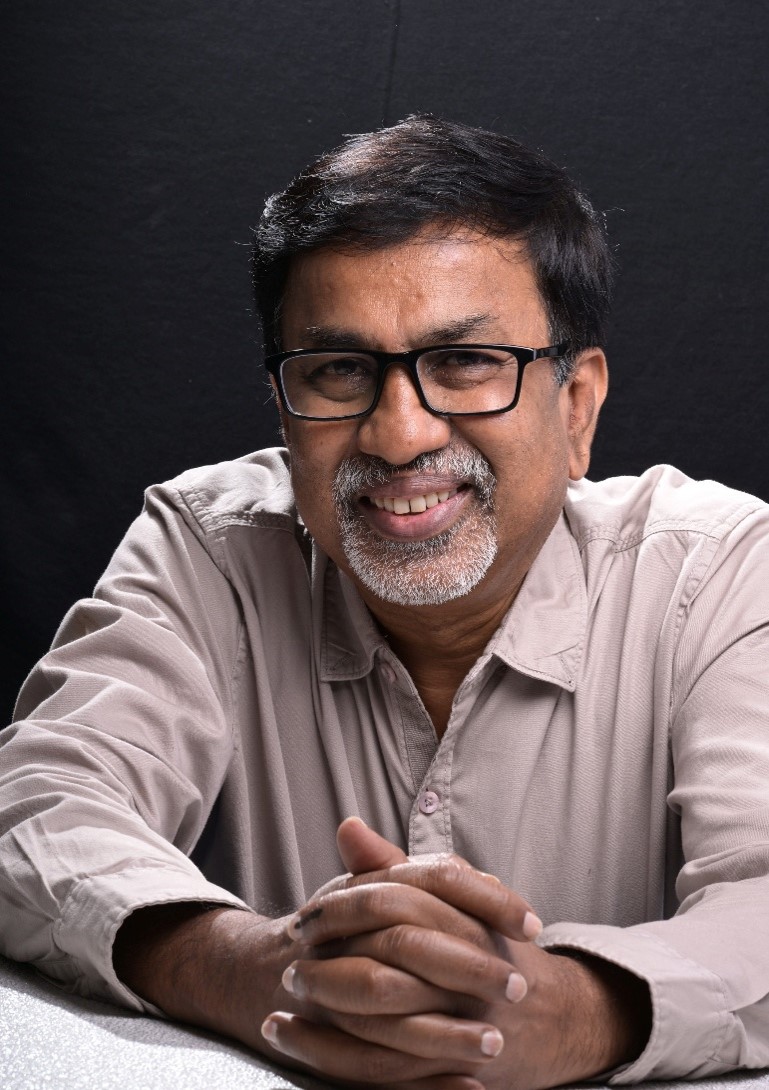
I was interested in exploring relationships not at their breaking point, but at a moment of pause — when people are forced to confront what remains after love, anger, and memory have all changed shape. Divorce, marriage, caregiving, and emotional responsibility are often treated as definitive states. In reality, they are fluid, overlapping, and deeply human.
The metaphor of the Rubik’s Cube emerged naturally. Like relationships, it appears chaotic, frustrating, and unsolvable at first glance. Yet every small turn matters. There is no instant solution — only patience, attention, and compassion. Importantly, a cube does not need to return to its original state to have meaning; it needs only alignment enough to move forward.
I chose a restrained, observational visual language — avoiding melodrama — allowing silences, glances, and small gestures to carry emotional weight. The film does not offer easy resolutions. Instead, it invites the audience to sit with uncertainty, to recognize that reconciliation is not always about reunion, but sometimes about acceptance.
Ruby Cube is a reflection on memory, love, and dignity — and on how families continue to reshape themselves, even when time begins to erase parts of the past.

Screenplay and Direction – P. Sheshadri
Story – Story
DOP – Mahen Simmha
Editor – B.S. Kemparaju
Music – Pravin Godkhindi
Sync Sound – Ajith
Moorthy – H.G.Dattatreya
Dr. Rohini – Vidyamurthy
Chitra (Ruby) – Vainidhi
Varun – Dev Devaiah
Chatterjee – Muralidhar Khajane
Driver Rajanna – Prabhudev
ಕಥಾಸಾರಾಂಶ
`ರೂಬಿಕ್ಯೂಬ್’ ಚಲನಚಿತ್ರ ಒಂದು ಆಳವಾದ ಭಾವನಾತ್ಮಕ ಕುಟುಂಬಕಥೆ. ಸಂಬಂಧಗಳ ಸಂಕೀರ್ಣತೆ, ಮುರಿದುಹೋಗಿರುವ ಬಾಂಧವ್ಯಗಳು ಮತ್ತು ಒಪ್ಪಿಕೊಳ್ಳುವಿಕೆಯತ್ತ ಸಾಗುವ ನಿಧಾನ ಪ್ರಯಾಣ ಈ ಚಿತ್ರದ ಕೇಂದ್ರಬಿಂದು.
ಮನೋವೈದ್ಯೆಯಾಗಿರುವ ರೋಹಿಣಿ, ಆಕೆಯ ಮಾಜಿಪತಿ ಮೂರ್ತಿ ಮತ್ತು ಅವರ ಮಗಳು ಚಿತ್ರಾ, ಆಕೆಯ ಗಂಡ ವರುಣ್ ಇವರ ನಡುವೆ ನಡೆಯುವ ಕಥೆಯಿದು. ವಿದೇಶದಲ್ಲಿ ವೃತ್ತಿಯಲ್ಲಿರುವ ಚಿತ್ರಾ ಭಾರತರಲ್ಲಿರುವ ತನ್ನ ತಂದೆ-ತಾಯಿಯ ದಾಂಪತ್ಯವನ್ನು ಮತ್ತೆ ಒಂದೆಡೆ ಸೇರಿಸುವ ಆಸೆಯಿಂದ ಹಿಲ್ಸ್ಟೇಶನ್ಗೆ ಒಂದು ಸಣ್ಣ ಪ್ರವಾಸವನ್ನು ಆಯೋಜಿಸುತ್ತಾಳೆ. ಸಾಮಾನ್ಯ ಕುಟುಂಬದ ಭೇಟಿಯಂತೆ ಆರಂಭವಾಗುವ ಈ ಪ್ರಯಾಣ, ದಿನಗಳು ಸಾಗುತ್ತಿದ್ದಂತೆ ಒಳಗಟ್ಟಿದ ಭಾವನೆಗಳ, ಮೌನಗಳ ಮತ್ತು ಮರೆತ ಗಾಯಗಳನ್ನು ಹಂತ ಹಂತವಾಗಿ ಹೊರತೆಗೆಯುತ್ತದೆ.
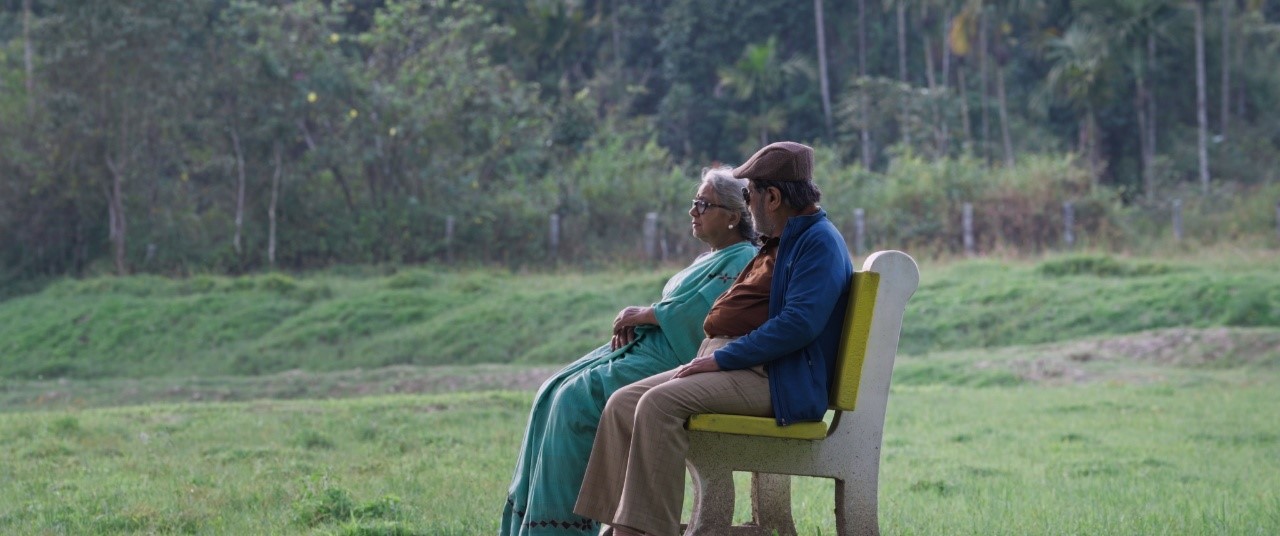 ಚಿತ್ರಾಳದೇ ವೈವಾಹಿಕ ಜೀವನ ಹೊಂದಾಣಿಕೆಯ ಕೊರತೆಯಿಂದ ಬಿರುಕು ಬೀಳುವ ಹಂತದಲ್ಲಿದೆ. ಅದೇ ಸಮಯದಲ್ಲಿ, ಮೂರ್ತಿಯ ಆರೋಗ್ಯದ ಕುರಿತು ಒಂದು ಅಸ್ವಸ್ಥ ಸತ್ಯ ಕುಟುಂಬದ ಮುಂದೆ ಬರುತ್ತದೆ — ಅವನ ಸ್ಮೃತಿಯನ್ನು ಕಳೆದುಕೊಳ್ಳುವ ಭೀತಿ, ಹಳೆಯ ಸಂಬಂಧಗಳ ಅರ್ಥವನ್ನೇ ಪ್ರಶ್ನೆಗೆ ಒಳಪಡಿಸುತ್ತದೆ.
ಸಂವಾದಕ್ಕಿಂತ ಮೌನದ ಮೂಲಕ, ದೊಡ್ಡ ಘರ್ಷಣೆಗಳಿಲ್ಲದೆ, ಸಣ್ಣ ಸಣ್ಣ ಕ್ಷಣಗಳ ಮೂಲಕ ಚಿತ್ರವು ಪಾತ್ರಗಳನ್ನು ಗಮನಿಸುತ್ತದೆ. ಇಲ್ಲಿಗೆ ಪುನರ್ಮಿಲನ ಎಂದರೆ ಹಳೆಯದನ್ನು ಮರಳಿ ಪಡೆಯುವುದಲ್ಲ; ಉಳಿದಿರುವುದನ್ನು ಒಪ್ಪಿಕೊಳ್ಳುವ ಪ್ರಕ್ರಿಯೆ.
ರೂಬಿಕ್ಸ್ ಕ್ಯೂಬ್ ಎಂಬ ಆಟಿಕೆ ಈ ಕಥೆಯ ರೂಪಕ. ಜೀವನದಂತೆಯೇ, ಇದು ಗೊಂದಲದಂತಿರುತ್ತದೆ — ಅಸಾಧ್ಯವೆನಿಸುತ್ತದೆ. ಆದರೆ ತಾಳ್ಮೆ, ಸಹಾನುಭೂತಿ ಮತ್ತು ನಿರಂತರ ಪ್ರಯತ್ನದಿಂದ ಕೆಲವು ಮುಖಗಳು ಸರಿಹೊಂದುತ್ತವೆ. ಎಲ್ಲವೂ ಪೂರ್ತಿಯಾಗಿ ಸರಿಯಾಗಬೇಕೆಂದಿಲ್ಲ; ಮುಂದುವರಿಯಲು ಸಾಕಾಗುವಷ್ಟು ಸಮತೋಲನ ಸಾಕು. ಹೀಗೆ, ರೂಬಿ ಕ್ಯೂಬ್ ಪ್ರೀತಿ, ಸ್ಮೃತಿ ಮತ್ತು ಒಪ್ಪಿಕೊಳ್ಳುವಿಕೆಯ ಕುರಿತು ಒಂದು ಸೌಮ್ಯ, ಆದರೆ ತೀವ್ರವಾದ ಚಲನಚಿತ್ರ ಅನುಭವ.
ನಿರ್ದೇಶಕರ ಹೇಳಿಕೆ
‘ರೂಬಿಕ್ಯೂಬ್’ ಚಿತ್ರ ನನ್ನಲ್ಲಿ ಹುಟ್ಟಿದ್ದು ಕುಟುಂಬಗಳೊಳಗಿನ ಮೌನ ಬಿರುಕುಗಳ ಬಗ್ಗೆ ಇರುವ ಆಸಕ್ತಿಯಿಂದ. ನಾನು ಹೇಳಬೇಕೆಂದಿದ್ದ ಕಥೆ ಘರ್ಷಣೆಯಲ್ಲ; ಒಂದು ನಿಲುಗಡೆಯ ಕ್ಷಣ. ಪ್ರೀತಿ, ವಿಚ್ಛೇದನ, ಮದುವೆ, ಆರೈಕೆ — ಇವೆಲ್ಲವನ್ನೂ ನಾವು ಪ್ರತ್ಯೇಕ ಘಟಕಗಳಾಗಿ ನೋಡುವೆವು. ಆದರೆ ಜೀವನದಲ್ಲಿ ಅವು ಒಂದೇ ಸಮಯದಲ್ಲಿ, ಒಂದೇ ಕುಟುಂಬದೊಳಗೆ ಸಹವಾಸ ಮಾಡುತ್ತವೆ. ಆ ಒಟ್ಟುಗೂಡುವ ಸಂಕೀರ್ಣತೆಯೇ ಈ ಚಿತ್ರದ ಹೃದಯ.
ರೂಬಿ ಕ್ಯೂಬ್ ರೂಪಕವಾಗಿ ನನ್ನ ಬಳಿ ಬಂದದ್ದು ಸಹಜವಾಗಿ. ಸಂಬಂಧಗಳಂತೆಯೇ ಅದು ಗೊಂದಲದಂತೆ ಕಾಣುತ್ತದೆ, ಬೇಸರ ಉಂಟುಮಾಡುತ್ತದೆ. ಆದರೆ ಒಂದು ದೊಡ್ಡ ತಿರುವಿನಿಂದ ಅಲ್ಲ — ಸಣ್ಣ, ಜಾಗರೂಕ ತಿರುವುಗಳಿಂದಲೇ ಬದಲಾವಣೆ ಸಾಧ್ಯ. ಮುಖ್ಯವಾಗಿ, ಆರು ಬಣ್ಣದ, ಆರು ಮುಖಗಳ ಈ ಕ್ಯೂಬ್ ಹಳೆಯ ಸ್ಥಿತಿಗೆ ಮರಳಬೇಕೆಂಬ ಅಗತ್ಯವಿಲ್ಲ; ಮುಂದಕ್ಕೆ ಸಾಗುವಷ್ಟು ಸಮತೋಲನ ಸಾಕು.
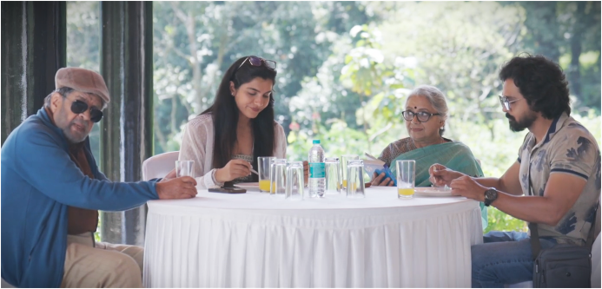 ನಾನು ಉದ್ದೇಶಪೂರ್ವಕವಾಗಿ ಸಂಯಮಿತ ದೃಶ್ಯಭಾಷೆಯನ್ನು ಆಯ್ಕೆ ಮಾಡಿಕೊಂಡಿದ್ದೇನೆ. ಅತಿರೇಕದ ಸಂಗೀತ, ನಾಟಕೀಯ ಸಂಭಾಷಣೆಗಳಿಂದ ದೂರ ಉಳಿದು, ನೋಟ, ಮೌನ ಮತ್ತು ಸಣ್ಣ ಚಲನೆಗಳಿಗೆ ಆದ್ಯತೆ ನೀಡಲಾಗಿದೆ. ಚಿತ್ರವು ಸುಲಭ ಉತ್ತರಗಳನ್ನು ನೀಡುವುದಿಲ್ಲ. ಬದಲಾಗಿ, ಅನಿಶ್ಚಿತತೆಯೊಂದಿಗೆ ಕೂತುಕೊಳ್ಳುವ ಅನುಭವವನ್ನು ಪ್ರೇಕ್ಷಕರಿಗೆ ಒದಗಿಸುತ್ತದೆ.
ರೂಬಿ ಕ್ಯೂಬ್ ಪುನರ್ಮಿಲನದ ಕುರಿತ ಕಥೆಯಲ್ಲ: ಇದು ಒಪ್ಪಿಕೊಳ್ಳುವಿಕೆಯ ಕುರಿತ ಕಥೆ. ಮನುಷ್ಯನ ಸ್ಮೃತಿ, ಪ್ರೀತಿ ಮತ್ತು ಗೌರವ — ಕಾಲದೊಂದಿಗೆ ಹೇಗೆ ರೂಪಾಂತರಗೊಳ್ಳುತ್ತವೆ ಎಂಬುದರ ಮೇಲೆ ನನ್ನ ಚಿಂತನೆ.
Ruby-Cube is a quiet, emotionally layered drama about family, fractured relationships, and the fragile possibility of healing.
Rohini, a psychologist, is divorced from Moorthy, her former husband. Their daughter Chitra, married to Varun, brings them together for a short vacation to a hill station, hoping the shared journey might mend what time and resentment have broken. What begins as an ordinary family outing slowly reveals deeper emotional fault lines.
As the days unfold, it becomes clear that Chitra’s own marriage is on the verge of collapse, strained by incompatibility and unspoken disappointment. At the same time, the family confronts another unsettling truth: Moorthy is suffering from early-stage dementia, a condition that threatens not only his memory but also the unresolved emotional bonds he shares with Rohini and their daughter.
Through conversations, silences, and small gestures, the film observes how each character responds to loss, regret, and responsibility. The possibility of reconciliation—between former partners, between spouses, and within oneself—emerges not as a solution, but as a fragile process.
The Rubik’s Cube becomes a central metaphor in the film. Like life and relationships, the cube appears chaotic and unsolvable at first glance. Only through patience, compassion, effort, and persistence can its disorder be gently aligned. In the same way, the characters learn that healing is not about restoring the past, but about finding meaning within what remains.
Ruby Cube is an intimate exploration of love, memory, and acceptance—where every turn matters, and not every side can be perfectly aligned.
DIRECTOR’S STATEMENT
Ruby-Cube was born out of my long-standing fascination with the quiet fractures within families — the kind that do not announce themselves loudly, but shape lives silently over time.
I was interested in exploring relationships not at their breaking point, but at a moment of pause — when people are forced to confront what remains after love, anger, and memory have all changed shape. Divorce, marriage, caregiving, and emotional responsibility are often treated as definitive states. In reality, they are fluid, overlapping, and deeply human.
The metaphor of the Rubik’s Cube emerged naturally. Like relationships, it appears chaotic, frustrating, and unsolvable at first glance. Yet every small turn matters. There is no instant solution — only patience, attention, and compassion. Importantly, a cube does not need to return to its original state to have meaning; it needs only alignment enough to move forward.
I chose a restrained, observational visual language — avoiding melodrama — allowing silences, glances, and small gestures to carry emotional weight. The film does not offer easy resolutions. Instead, it invites the audience to sit with uncertainty, to recognize that reconciliation is not always about reunion, but sometimes about acceptance.
Ruby Cube is a reflection on memory, love, and dignity — and on how families continue to reshape themselves, even when time begins to erase parts of the past.
Screenplay and Direction – P. Sheshadri
Story – Story
DOP – Mahen Simmha
Editor – B.S. Kemparaju
Music – Pravin Godkhindi
Sync Sound – Ajith
Moorthy – H.G.Dattatreya
Dr. Rohini – Vidyamurthy
Chitra (Ruby) – Vainidhi
Varun – Dev Devaiah
Chatterjee – Muralidhar Khajane
Driver Rajanna – Prabhudev
ಕಥಾಸಾರಾಂಶ
`ರೂಬಿಕ್ಯೂಬ್’ ಚಲನಚಿತ್ರ ಒಂದು ಆಳವಾದ ಭಾವನಾತ್ಮಕ ಕುಟುಂಬಕಥೆ. ಸಂಬಂಧಗಳ ಸಂಕೀರ್ಣತೆ, ಮುರಿದುಹೋಗಿರುವ ಬಾಂಧವ್ಯಗಳು ಮತ್ತು ಒಪ್ಪಿಕೊಳ್ಳುವಿಕೆಯತ್ತ ಸಾಗುವ ನಿಧಾನ ಪ್ರಯಾಣ ಈ ಚಿತ್ರದ ಕೇಂದ್ರಬಿಂದು.
ಮನೋವೈದ್ಯೆಯಾಗಿರುವ ರೋಹಿಣಿ, ಆಕೆಯ ಮಾಜಿಪತಿ ಮೂರ್ತಿ ಮತ್ತು ಅವರ ಮಗಳು ಚಿತ್ರಾ, ಆಕೆಯ ಗಂಡ ವರುಣ್ ಇವರ ನಡುವೆ ನಡೆಯುವ ಕಥೆಯಿದು. ವಿದೇಶದಲ್ಲಿ ವೃತ್ತಿಯಲ್ಲಿರುವ ಚಿತ್ರಾ ಭಾರತರಲ್ಲಿರುವ ತನ್ನ ತಂದೆ-ತಾಯಿಯ ದಾಂಪತ್ಯವನ್ನು ಮತ್ತೆ ಒಂದೆಡೆ ಸೇರಿಸುವ ಆಸೆಯಿಂದ ಹಿಲ್ಸ್ಟೇಶನ್ಗೆ ಒಂದು ಸಣ್ಣ ಪ್ರವಾಸವನ್ನು ಆಯೋಜಿಸುತ್ತಾಳೆ. ಸಾಮಾನ್ಯ ಕುಟುಂಬದ ಭೇಟಿಯಂತೆ ಆರಂಭವಾಗುವ ಈ ಪ್ರಯಾಣ, ದಿನಗಳು ಸಾಗುತ್ತಿದ್ದಂತೆ ಒಳಗಟ್ಟಿದ ಭಾವನೆಗಳ, ಮೌನಗಳ ಮತ್ತು ಮರೆತ ಗಾಯಗಳನ್ನು ಹಂತ ಹಂತವಾಗಿ ಹೊರತೆಗೆಯುತ್ತದೆ.
ಚಿತ್ರಾಳದೇ ವೈವಾಹಿಕ ಜೀವನ ಹೊಂದಾಣಿಕೆಯ ಕೊರತೆಯಿಂದ ಬಿರುಕು ಬೀಳುವ ಹಂತದಲ್ಲಿದೆ. ಅದೇ ಸಮಯದಲ್ಲಿ, ಮೂರ್ತಿಯ ಆರೋಗ್ಯದ ಕುರಿತು ಒಂದು ಅಸ್ವಸ್ಥ ಸತ್ಯ ಕುಟುಂಬದ ಮುಂದೆ ಬರುತ್ತದೆ — ಅವನ ಸ್ಮೃತಿಯನ್ನು ಕಳೆದುಕೊಳ್ಳುವ ಭೀತಿ, ಹಳೆಯ ಸಂಬಂಧಗಳ ಅರ್ಥವನ್ನೇ ಪ್ರಶ್ನೆಗೆ ಒಳಪಡಿಸುತ್ತದೆ.
ಸಂವಾದಕ್ಕಿಂತ ಮೌನದ ಮೂಲಕ, ದೊಡ್ಡ ಘರ್ಷಣೆಗಳಿಲ್ಲದೆ, ಸಣ್ಣ ಸಣ್ಣ ಕ್ಷಣಗಳ ಮೂಲಕ ಚಿತ್ರವು ಪಾತ್ರಗಳನ್ನು ಗಮನಿಸುತ್ತದೆ. ಇಲ್ಲಿಗೆ ಪುನರ್ಮಿಲನ ಎಂದರೆ ಹಳೆಯದನ್ನು ಮರಳಿ ಪಡೆಯುವುದಲ್ಲ; ಉಳಿದಿರುವುದನ್ನು ಒಪ್ಪಿಕೊಳ್ಳುವ ಪ್ರಕ್ರಿಯೆ.
ರೂಬಿಕ್ಸ್ ಕ್ಯೂಬ್ ಎಂಬ ಆಟಿಕೆ ಈ ಕಥೆಯ ರೂಪಕ. ಜೀವನದಂತೆಯೇ, ಇದು ಗೊಂದಲದಂತಿರುತ್ತದೆ — ಅಸಾಧ್ಯವೆನಿಸುತ್ತದೆ. ಆದರೆ ತಾಳ್ಮೆ, ಸಹಾನುಭೂತಿ ಮತ್ತು ನಿರಂತರ ಪ್ರಯತ್ನದಿಂದ ಕೆಲವು ಮುಖಗಳು ಸರಿಹೊಂದುತ್ತವೆ. ಎಲ್ಲವೂ ಪೂರ್ತಿಯಾಗಿ ಸರಿಯಾಗಬೇಕೆಂದಿಲ್ಲ; ಮುಂದುವರಿಯಲು ಸಾಕಾಗುವಷ್ಟು ಸಮತೋಲನ ಸಾಕು. ಹೀಗೆ, ರೂಬಿ ಕ್ಯೂಬ್ ಪ್ರೀತಿ, ಸ್ಮೃತಿ ಮತ್ತು ಒಪ್ಪಿಕೊಳ್ಳುವಿಕೆಯ ಕುರಿತು ಒಂದು ಸೌಮ್ಯ, ಆದರೆ ತೀವ್ರವಾದ ಚಲನಚಿತ್ರ ಅನುಭವ.
ನಿರ್ದೇಶಕರ ಹೇಳಿಕೆ
‘ರೂಬಿಕ್ಯೂಬ್’ ಚಿತ್ರ ನನ್ನಲ್ಲಿ ಹುಟ್ಟಿದ್ದು ಕುಟುಂಬಗಳೊಳಗಿನ ಮೌನ ಬಿರುಕುಗಳ ಬಗ್ಗೆ ಇರುವ ಆಸಕ್ತಿಯಿಂದ. ನಾನು ಹೇಳಬೇಕೆಂದಿದ್ದ ಕಥೆ ಘರ್ಷಣೆಯಲ್ಲ; ಒಂದು ನಿಲುಗಡೆಯ ಕ್ಷಣ. ಪ್ರೀತಿ, ವಿಚ್ಛೇದನ, ಮದುವೆ, ಆರೈಕೆ — ಇವೆಲ್ಲವನ್ನೂ ನಾವು ಪ್ರತ್ಯೇಕ ಘಟಕಗಳಾಗಿ ನೋಡುವೆವು. ಆದರೆ ಜೀವನದಲ್ಲಿ ಅವು ಒಂದೇ ಸಮಯದಲ್ಲಿ, ಒಂದೇ ಕುಟುಂಬದೊಳಗೆ ಸಹವಾಸ ಮಾಡುತ್ತವೆ. ಆ ಒಟ್ಟುಗೂಡುವ ಸಂಕೀರ್ಣತೆಯೇ ಈ ಚಿತ್ರದ ಹೃದಯ.
ರೂಬಿ ಕ್ಯೂಬ್ ರೂಪಕವಾಗಿ ನನ್ನ ಬಳಿ ಬಂದದ್ದು ಸಹಜವಾಗಿ. ಸಂಬಂಧಗಳಂತೆಯೇ ಅದು ಗೊಂದಲದಂತೆ ಕಾಣುತ್ತದೆ, ಬೇಸರ ಉಂಟುಮಾಡುತ್ತದೆ. ಆದರೆ ಒಂದು ದೊಡ್ಡ ತಿರುವಿನಿಂದ ಅಲ್ಲ — ಸಣ್ಣ, ಜಾಗರೂಕ ತಿರುವುಗಳಿಂದಲೇ ಬದಲಾವಣೆ ಸಾಧ್ಯ. ಮುಖ್ಯವಾಗಿ, ಆರು ಬಣ್ಣದ, ಆರು ಮುಖಗಳ ಈ ಕ್ಯೂಬ್ ಹಳೆಯ ಸ್ಥಿತಿಗೆ ಮರಳಬೇಕೆಂಬ ಅಗತ್ಯವಿಲ್ಲ; ಮುಂದಕ್ಕೆ ಸಾಗುವಷ್ಟು ಸಮತೋಲನ ಸಾಕು.
ನಾನು ಉದ್ದೇಶಪೂರ್ವಕವಾಗಿ ಸಂಯಮಿತ ದೃಶ್ಯಭಾಷೆಯನ್ನು ಆಯ್ಕೆ ಮಾಡಿಕೊಂಡಿದ್ದೇನೆ. ಅತಿರೇಕದ ಸಂಗೀತ, ನಾಟಕೀಯ ಸಂಭಾಷಣೆಗಳಿಂದ ದೂರ ಉಳಿದು, ನೋಟ, ಮೌನ ಮತ್ತು ಸಣ್ಣ ಚಲನೆಗಳಿಗೆ ಆದ್ಯತೆ ನೀಡಲಾಗಿದೆ. ಚಿತ್ರವು ಸುಲಭ ಉತ್ತರಗಳನ್ನು ನೀಡುವುದಿಲ್ಲ. ಬದಲಾಗಿ, ಅನಿಶ್ಚಿತತೆಯೊಂದಿಗೆ ಕೂತುಕೊಳ್ಳುವ ಅನುಭವವನ್ನು ಪ್ರೇಕ್ಷಕರಿಗೆ ಒದಗಿಸುತ್ತದೆ.
ರೂಬಿ ಕ್ಯೂಬ್ ಪುನರ್ಮಿಲನದ ಕುರಿತ ಕಥೆಯಲ್ಲ: ಇದು ಒಪ್ಪಿಕೊಳ್ಳುವಿಕೆಯ ಕುರಿತ ಕಥೆ. ಮನುಷ್ಯನ ಸ್ಮೃತಿ, ಪ್ರೀತಿ ಮತ್ತು ಗೌರವ — ಕಾಲದೊಂದಿಗೆ ಹೇಗೆ ರೂಪಾಂತರಗೊಳ್ಳುತ್ತವೆ ಎಂಬುದರ ಮೇಲೆ ನನ್ನ ಚಿಂತನೆ.


